India’s skin care and cosmetic market is growing fast. Customers now ask for serums, sunscreens and hair fall solutions by name, even in smaller towns. For a chemist, distributor, medical representative or new entrepreneur, a Cosmetic PCD Pharma Franchise is one of the most practical ways to enter this market with low risk and strong repeat sales.
This guide explains what a cosmetic PCD franchise is, why demand is rising, who can start one, how to choose the right company, and how to begin with Zee Laboratories.
What Is a Cosmetic PCD Pharma Franchise?
PCD stands for Propaganda-Cum-Distribution. In this model, a company gives you the right to promote and distribute its products in a fixed area, such as a city, district or state. The company manufactures the products, and you handle promotion, sales and distribution.
A cosmetic PCD franchise focuses on skin care, hair care and beauty products. Typical categories include:
- Face washes and cleansers
- Face serums (Vitamin C, Alpha Arbutin, Niacinamide, Hyaluronic Acid)
- Moisturizers and body lotions
- Sunscreens and anti-tan products
- Anti-acne creams and gels
- Anti-aging and skin glow products
- Shampoos, hair serums and hair fall solutions
You don’t need your own factory, machinery or a large team. You get the brand, the products and the support, and you build the business in your territory.
Why a Cosmetic PCD Franchise Makes Sense in 2026
Growing awareness of skin care. Social media and easy access to information have changed how people think about their skin. Customers are more informed and more willing to spend on products that work.Strong repeat demand. Face wash, moisturizer, sunscreen and serum are used regularly. A satisfied customer comes back every month, which gives you steady and predictable sales.Opportunity beyond big cities. Tier 2 and Tier 3 cities are among the fastest-growing markets for skin care, and many of them still have little organized competition.
Low investment, lower risk. Compared with setting up your own manufacturing unit, a PCD franchise needs far less capital. You can start small and expand as sales grow.
Products for every budget. A good range serves mass, mid-range and premium customers in the same area.
Who Can Start a Cosmetic PCD Franchise?
- Chemists and medical store owners who want to add a high-demand category
- Existing pharma distributors looking to widen their portfolio
- Medical representatives ready to move from a job to their own business
- Doctors, skin clinics and beauty clinics that want a trusted range to recommend
- Salon owners who want quality products to sell alongside services
- New entrepreneurs with sales skills and interest in the beauty and wellness market
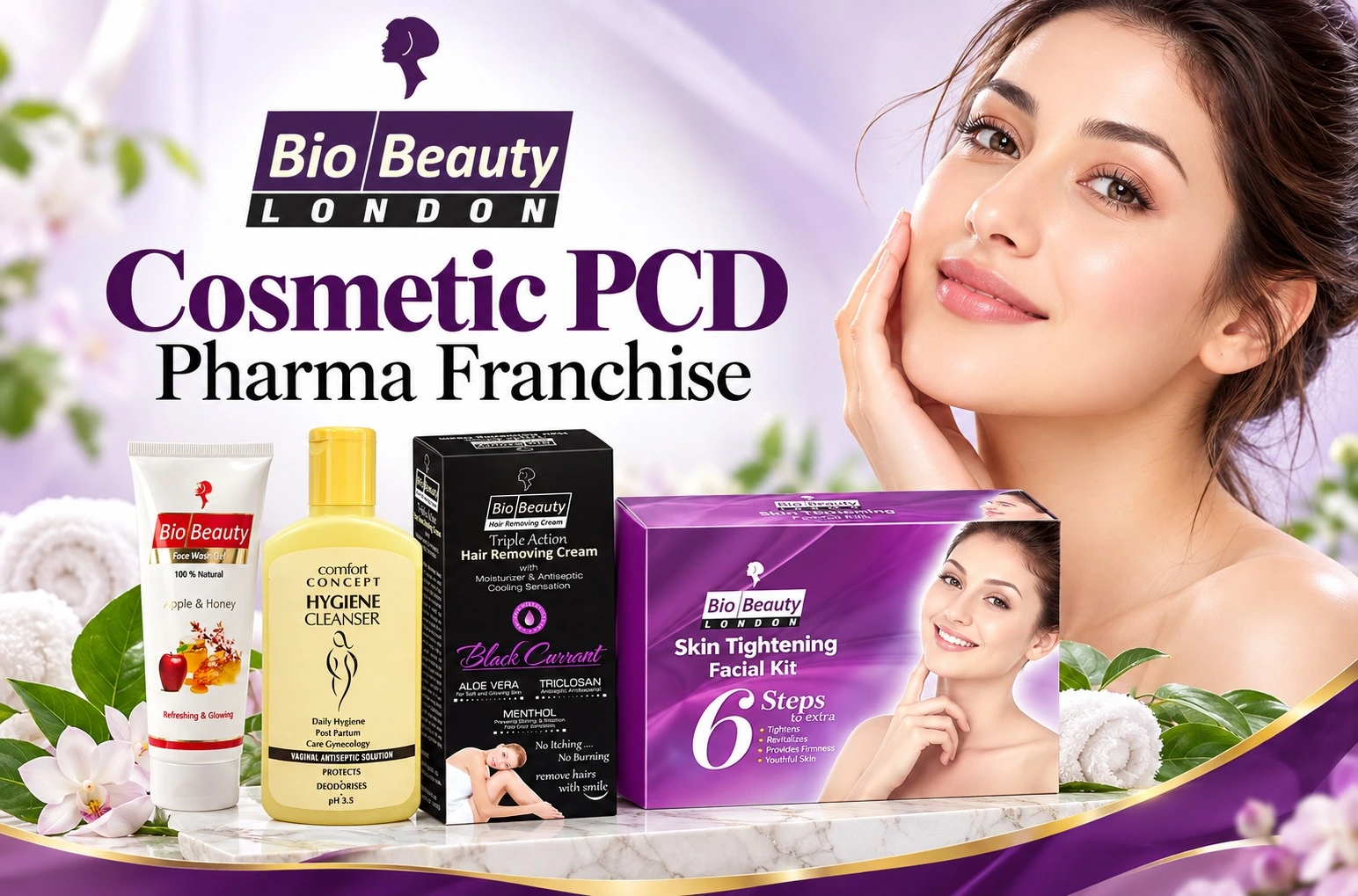
Key Benefits of the Biobeauty Cosmetic PCD Franchise
Our Cosmetic PCD Pharma Franchise partners get the following advantages with Zee Laboratories’ Biobeauty division.
Monopoly rights. Get exclusive rights in your territory, so you don’t compete with another distributor of the same brand.
Quality-focused manufacturing. Products are made at our facility in Karnal, Haryana, with attention to quality from raw materials to finished goods.
A wide, market-ready range. The range covers skin care and hair care needs, so you can serve many types of customers.
Promotional support. Marketing material helps you present products with confidence to doctors, chemists and customers.
Clear and transparent terms. Straightforward pricing and franchise terms help you plan your business without surprises.
Reliable supply. Timely dispatch helps you avoid stock-outs and keep customers loyal.
How to Choose the Best PCD Pharma Franchise
Many companies offer franchises, but they are not equally reliable. Before you decide on the best pcd pharma franchise for your business, check these points:
-
- Manufacturing quality. Ask where products are made and what quality checks are followed.
- Product range. A wider range lets you serve more customers.
- Territory rights. Get monopoly rights confirmed in writing.
- Licenses and documents. The company should share valid manufacturing licenses and product details.
- Pricing and margins. Compare pricing and ask about hidden charges.
- Check whether marketing material and product information are provided.
- Look at how long the company has operated and what its partners say.