Introduction
Pharmaceuticals form the backbone of modern healthcare — the medicines that prevent, diagnose, treat, and manage disease across every stage of life. From everyday antibiotics to complex neuro-psychiatric therapies, the pharmaceutical industry touches nearly every household, hospital, and clinic worldwide. As we move through 2026, the sector is being reshaped by tighter regulatory standards, rising demand for affordable healthcare, and the rapid growth of the PCD (Propaganda Cum Distribution) franchise model. This guide breaks down what pharmaceuticals actually are, the standards that govern quality manufacturing, and the trends shaping the industry today
What Are Pharmaceuticals?
Pharmaceuticals are chemical or biological substances formulated into medicines — tablets, capsules, syrups, injectables, ointments, and more — designed to diagnose, treat, cure, or prevent disease. They differ from nutraceuticals and dietary supplements in one key way: pharmaceuticals are developed, tested, and manufactured under strict regulatory frameworks, including Good Manufacturing Practices (GMP) and WHO-GMP certification, to ensure safety, efficacy, and consistency in every batch.
Pharmaceutical products generally fall into a few broad categories:
- Generic medicines — affordable, chemically equivalent versions of branded drugs
- Branded/branded-generic formulations — company-specific versions marketed under a distinct name
- Specialty & super-specialty products — targeted therapies for complex conditions, such as Concord’s neuro-psychiatry/CNS range covering sedatives, antidepressants, antipsychotics, and anticonvulsants
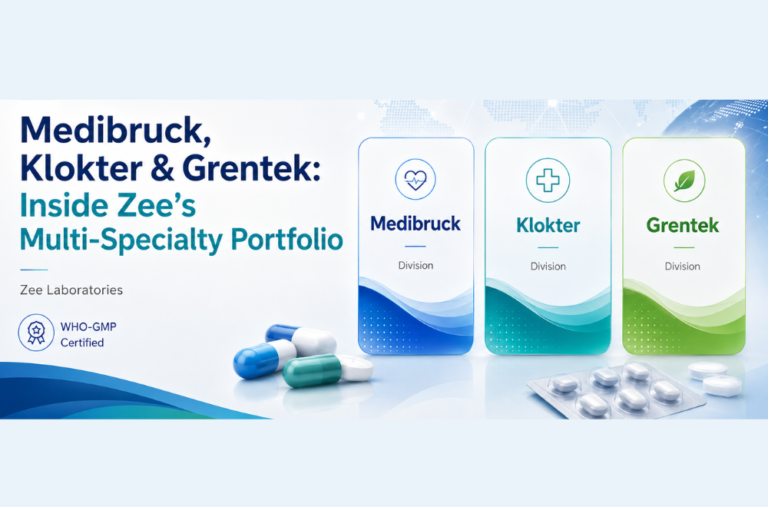
- Multi-specialty ranges — broad portfolios spanning tablets, capsules, syrups, injections, and topicals, such as ADPL and Medibruck
- Herbal/Ayurvedic formulations — plant-based medicines manufactured under pharmaceutical-grade standards, like Zee Herbal
Pharmaceuticals are chemical or biological substances formulated into medicines — tablets, capsules, syrups, injectables, ointments, and more — designed to diagnose, treat, cure, or prevent disease. They differ from nutraceuticals and dietary supplements in one key way: pharmaceuticals are developed, tested, and manufactured under strict regulatory frameworks, including Good Manufacturing Practices (GMP) and WHO-GMP certification, to ensure safety, efficacy, and consistency in every batch.
Pharmaceutical products generally fall into a few broad categories:
- Generic medicines — affordable, chemically equivalent versions of branded drugs
- Branded/branded-generic formulations — company-specific versions marketed under a distinct name
- Specialty & super-specialty products — targeted therapies for complex conditions, such as Concord’s neuro-psychiatry/CNS range covering sedatives, antidepressants, antipsychotics, and anticonvulsants
- Multi-specialty ranges — broad portfolios spanning tablets, capsules, syrups, injections, and topicals, such as ADPL and Medibruck
- Herbal/Ayurvedic formulations — plant-based medicines manufactured under pharmaceutical-grade standards, like Zee Herbal
Industry Standards That Define Quality Pharmaceuticals
Not all pharmaceutical products — or manufacturers — are created equal. Quality and safety hinge on a few non-negotiable standards:
- WHO-GMP Certification — Confirms a facility follows globally recognized manufacturing, hygiene, and quality-control protocols
- ISO Certifications — Validate consistent quality management systems across production
- Drug License Compliance — Legal authorization to manufacture and distribute specific drug categories
- Batch Testing & Documentation — Every batch tested for potency, purity, and stability, with full traceability
- Dedicated Manufacturing Infrastructure — Facilities equipped for specific product forms reduce contamination risk and improve consistency
These standards matter most for PCD franchise partners and distributors, since their business reputation is directly tied to the quality of the products they sell. Divisions like ADPL highlight this directly — built around 200+ WHO-GMP & ISO-certified products, backed by a network of 5,000+ business partners across India.
Key Pharmaceutical Industry Trends in 2026
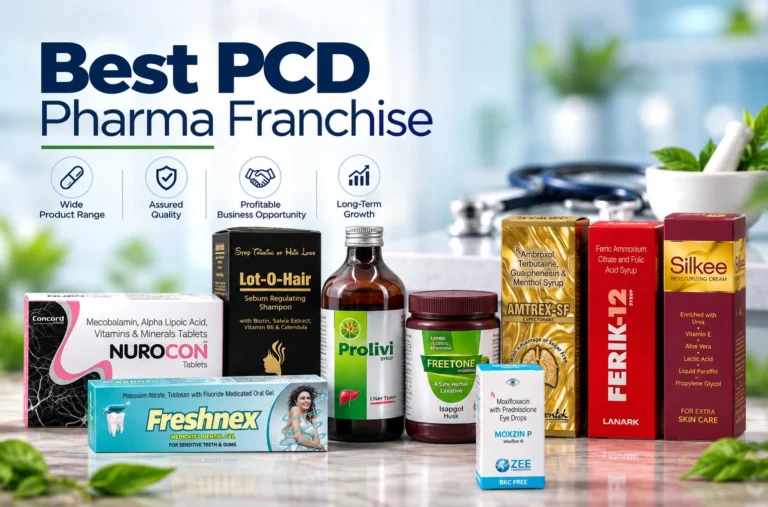
- Growth of the PCD Pharma Franchise Model — More entrepreneurs are entering the pharma business through franchise partnerships with established, GMP-certified manufacturers like Zee Laboratories, avoiding the heavy capital investment of setting up their own production
- Rising Demand for Specialty Segments — Categories like neuro-psychiatry and CNS — the focus of Concord — are expanding fast as lifestyle-related health conditions increase
- Affordable Generics on the Rise — Cost-conscious healthcare systems worldwide are driving stronger demand for high-quality generic and branded-generic medicines
- Integration of Herbal & Ayurvedic Lines — Pharma companies are increasingly offering Ayurvedic/herbal divisions alongside allopathic ranges — see Zee Herbal’s full range of capsules, syrups, oils, and powders — giving franchise partners a wider portfolio to work with
- Stronger Regulatory Oversight — Governments and health authorities are tightening compliance requirements, pushing manufacturers toward better documentation, transparency, and traceability
- Digital-First Distribution & Marketing — E-visual aids, digital ordering systems, and online franchise onboarding are becoming standard across the industry
How to Choose the Right Pharmaceutical Manufacturing Partner
- Verify certifications — WHO-GMP, ISO, and valid drug licenses are essential baseline requirements
- Assess product range depth — A manufacturer offering multiple divisions, such as multi-specialty (ADPL, Medibruck), super-specialty (Concord), and herbal (Zee Herbal), gives you more flexibility to build a diversified business
- Check manufacturing infrastructure — Dedicated, well-equipped facilities are a strong signal of consistent quality
- Look for franchise/partner support — Marketing materials, visual aids, and ongoing business support can make or break a franchise partnership; monopoly marketing rights are a valuable added benefit
- Review transparency — Reliable manufacturers are upfront about sourcing, formulation, and testing processes
Conclusion
The pharmaceutical industry in 2026 is defined by rising standards, expanding specialty segments, and a booming franchise economy. Whether you’re sourcing medicines for a clinic or exploring a PCD pharma franchise opportunity, partnering with a certified, quality-first manufacturer is the foundation for long-term success. At Zee Laboratories, our WHO-GMP certified manufacturing facility in Karnal, Haryana, and our range of divisions — ADPL, Medibruck, Concord, and Zee Herbal — are built around exactly these principles. Explore franchise opportunities today and partner with a manufacturer trusted by 5,000+ business partners across India.