What Are Nutraceuticals?
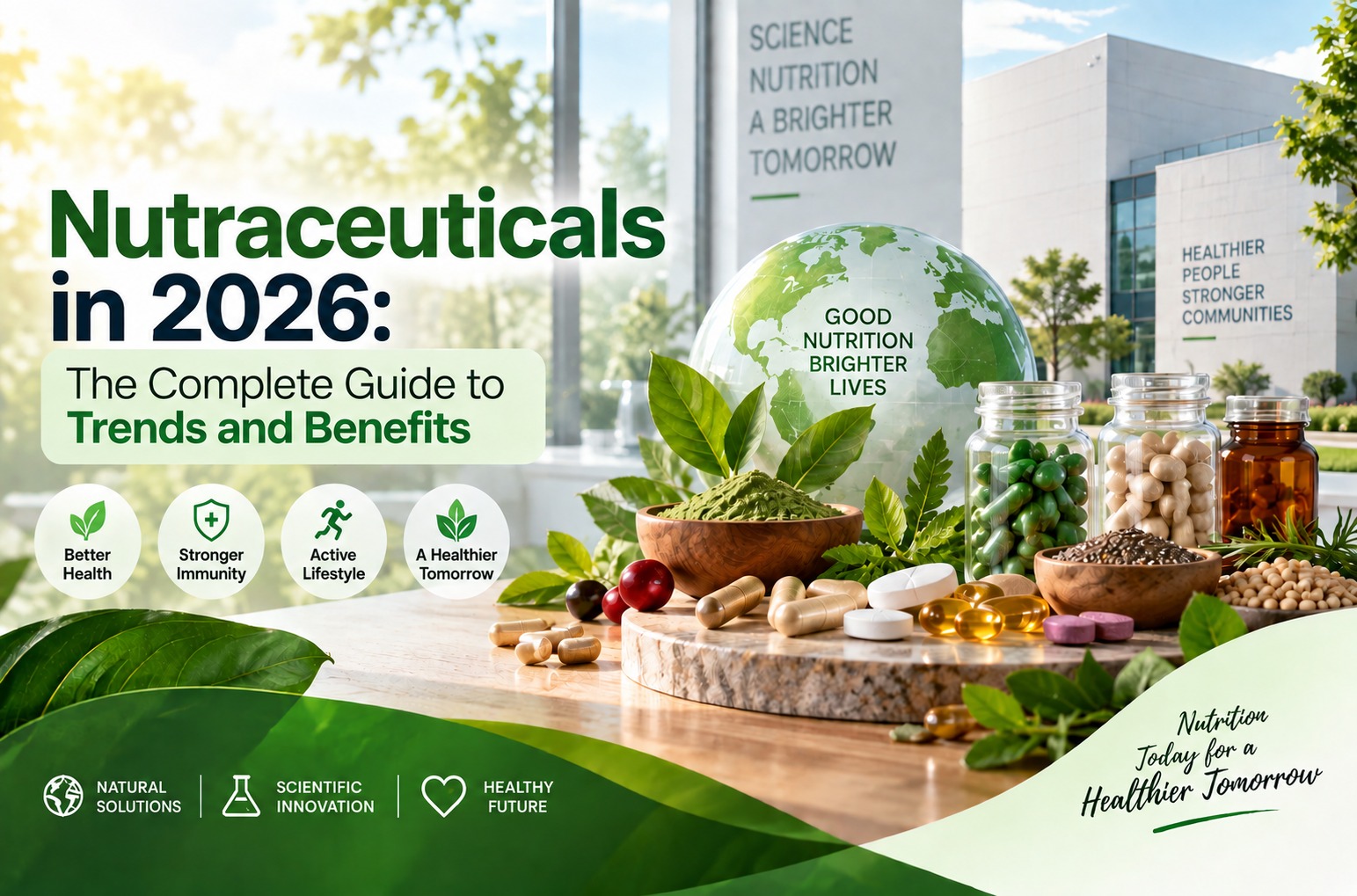
The word nutraceutical blends nutrition and pharmaceutical — and that’s exactly what these products are: foods, food components, or supplements that deliver a health or medical benefit beyond basic nutrition. Unlike a regular multivitamin bottle sitting on a supermarket shelf, nutraceuticals are formulated and marketed around a specific, often clinically supported outcome — better joint mobility, sharper cognition, improved gut health, or stronger immunity.
The term was first coined in 1989 by Dr. Stephen DeFelice, founder of the Foundation for Innovation in Medicine, to describe this exact middle ground between food and medicine. Since then, the category has grown into a multi-billion-dollar global industry, driven by consumers who want preventive, science-backed solutions rather than reactive treatment after a health problem appears.
What sets nutraceuticals apart is intent and evidence. A regular dietary supplement might simply “fill a nutritional gap,” but a nutraceutical is typically designed around a targeted physiological function — think omega-3s for heart health, probiotics for digestive balance, or curcumin for inflammation support. Many are backed by research into their active compounds, dosage levels, and bioavailability, which is why they’re often positioned closer to functional medicine than to traditional food products.
Nutraceuticals can take several forms, including:
- Dietary supplements — capsules, tablets, powders, and gummies
- Functional foods — foods fortified with added health-boosting ingredients (like fortified cereals or probiotic yogurts)
- Herbal/botanical products — plant-based formulations, often rooted in traditional systems like Ayurveda
- Fortified beverages — protein shakes, energy drinks, and immunity tonics with functional additives
Nutraceuticals sit in the space between food and medicine. They include:
- Dietary supplements — the nutraceutical tablet and nutraceutical capsule formats remain the most widely used, alongside softgels, powders, and gummies
- Functional foods — foods fortified with active ingredients (probiotic yogurts, omega-3 eggs, fiber-enriched cereals)
- Functional beverages — protein shakes, collagen waters, adaptogenic drinks
- Herbal / botanical nutraceuticals — ashwagandha, turmeric, and other Ayurveda-rooted formulations
Nutraceutical Uses
The most common nutraceutical uses include supporting daily immunity, improving gut and digestive health, boosting energy and vitality, supporting joint and bone health, aiding cognitive focus, and promoting hair, skin, and overall wellness. Because a nutraceutical tablet or capsule is easy to dose and store, it’s the preferred format for most of these daily-use cases — while powders and beverages are more common for sports and performance nutrition.
Why Nutraceuticals Are Trending in 2026
Search interest in “nutraceuticals” keeps climbing because consumer healthcare has shifted from treatment to prevention. A few forces are driving this:
- Preventive healthcare mindset — people want to avoid chronic disease, not just manage it after diagnosis.
- Rising lifestyle disorders — diabetes, obesity, and stress-related conditions are pushing demand for daily, food-based interventions.
- E-commerce accessibility — nutraceuticals are now a click away, with online sales channels growing faster than offline retail.
- Personalized nutrition — AI-driven recommendation engines are matching individual biomarkers to specific supplement stacks.
Top Nutraceutical Trends to Watch in 2026
- Gut health and the microbiome. Probiotics, prebiotics, and postbiotics remain one of the fastest-growing categories, as more research ties gut flora to immunity, mood, and metabolic health.
- Marine bioactives. Algae-based compounds and fucoidan are gaining traction as sustainable, high-potency alternatives to traditional fish-oil omega-3s.
- Cognitive health / nootropics. Formulations targeting focus, memory, and mental clarity are expanding rapidly, especially among working professionals and students.
- Personalized and AI-driven nutrition. Brands are using genomic data, biometric tracking, and AI recommendation tools to tailor supplement regimens to the individual rather than the mass market.
- Clean-label and plant-based formulations. Consumers — especially Millennials and Gen Z — are reading labels closely and favoring adaptogens, botanicals, and fermented plant actives over synthetic additives.
- Novel delivery formats. Gummies, effervescent tablets, and soft gels are replacing hard-to-swallow capsules, especially in categories like hair, skin, and vitality.
- Healthy aging and sports nutrition. Collagen peptides, creatine, and protein remain dominant search terms, reflecting demand from both the aging population and the fitness-focused segment.
How to Choose a Safe, Effective Nutraceutical Product
- Check for clinical or scientific backing — look for ingredients with published research behind the dosage used, not just the ingredient name.
- Verify manufacturing standards — GMP-certified, WHO-GMP, or ISO-certified manufacturing facilities are a strong trust signal.
- Read the label for clean formulation — minimal fillers, no unnecessary synthetic additives, transparent dosage per serving.
- Match the product to a specific goal — a general multivitamin and a targeted nootropic solve different problems; pick based on your actual health objective.
- Look at delivery format and compliance — a product you’ll actually take consistently (gummy vs. capsule) matters more than a “perfect” formulation you abandon after a week.
Nutraceutical Manufacturing: Where These Products Actually Come From
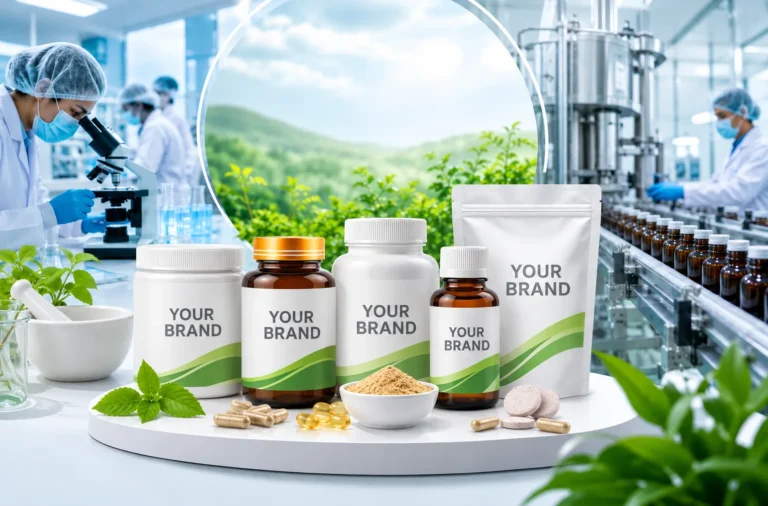
Behind every nutraceutical brand on a shelf or website is a manufacturing partner. Most nutraceutical and supplement brands — from small D2C startups to large wellness companies — don’t manufacture in-house. Instead, they work with a nutraceutical third party manufacturing partner who offers:
- Private label manufacturing — ready-made formulations a brand can put its own label on
- OEM/contract manufacturing — fully custom formulations built to a brand’s specifications
- Regulatory and quality compliance — GMP-certified facilities handling tablets, capsules, syrups, powders, and functional food formats
This model is why the nutraceutical industry has grown so fast: it lowers the barrier for new wellness brands to launch quickly with pharma-grade quality standards, without owning a manufacturing plant.
Frequently Asked Questions
Are nutraceuticals regulated like medicines?
Regulation varies by country and product category. Generally, nutraceuticals fall under food or dietary supplement regulations rather than full pharmaceutical drug approval, though claims and manufacturing standards are still monitored.
What’s the difference between a nutraceutical and a pharmaceutical?
Pharmaceuticals are drugs designed to treat or cure a diagnosed disease and require clinical trials and regulatory drug approval. Nutraceuticals support health and may reduce disease risk but are not classified or approved as drugs.
Are nutraceuticals worth taking daily?
For most healthy adults, targeted nutraceuticals (a probiotic, a vitamin D supplement, an omega-3) can meaningfully support specific health goals — but they work best as a complement to diet and lifestyle, not a replacement for either.
How do I start a nutraceutical brand?
Most new brands partner with a third-party or private-label nutraceutical manufacturer, choose a category (immunity, gut health, hair/skin, vitality, etc.), and build formulations around trending, well-researched actives